It's 11.40 pm, the last guests have gone, and a bartender is standing on a bar stool with a string of lights in one hand. The tree has to be up before Friday lunch, the manager is doing the till, and nobody thought to get the ladder out of the storeroom.
Christmas decorations feel like the low-risk part of the festive season. They go up in an afternoon, come down in January and rarely get the same attention as everyday workplace hazards.
But decorating introduces risks that aren't normally part of running a venue. Staff climb ladders, handle electrical equipment and install displays in areas where hundreds of guests might pass through. Once the decorations are up, there's the added challenge of keeping them safe throughout the Christmas rush.
How decorations hurt people
Decorating happens once a year, so most hospitality employees aren't particularly practised at it. Decorations also end up in places nothing else normally goes: above bars, along rooflines, across walkways and within reach of children.
The hazards are familiar, even if the activity isn't:
- Falls from ladders, stools, chairs and tables used to hang decorations.
- Electric shocks and burns from damaged lights, wet connections and overloaded power boards.
- Trips over extension leads, tree bases and displays obstructing walkways.
- Falling objects such as poorly secured lights, ornaments and signage.
- Cuts from broken glass baubles and sharp fittings.
- Strains from lifting heavy trees and awkward boxes out of storage.
- Fire from decorations placed too close to heat sources or faulty electrical equipment.
Installation and removal introduce many of these hazards. Others emerge once the venue fills with guests.
Start with a 20-minute walk-through
Before bringing out the decorations, walk through the venue with the people responsible for putting them up.
Ask five questions:
- Where will everything go, and will anyone need to work at height?
- Who's installing it, and do they have the right equipment?
- What needs electricity, and will any of it be outdoors or near water?
- Could anything obstruct walkways, service areas or emergency exits?
- When will it come down, and who's responsible?
Record the hazards, what needs to be done to control them and who's responsible.
Under Australian workplace safety laws, businesses have duties to manage risks to workers and others affected by their activities. Safe Work Australia's model code of practice on managing WHS risks provides guidance on the process. Victoria has separate occupational health and safety legislation.
Christmas lights: Check before you switch on
Those lights have probably spent eleven months in a box at the back of the storeroom.
Before installing them, inspect cables, plugs, power boards and light fittings. Frayed wiring, cracked plugs, scorch marks and damaged connections are reasons to take equipment out of use.
A few other precautions matter:
- Match the lights to the location. Indoor lighting doesn't belong in a beer garden unless it's rated for outdoor use.
- Don't overload outlets. Adding another power board isn't the solution to a display that needs more power.
- Keep cables protected. Avoid running leads through busy walkways, beneath rugs or where doors and furniture can crush them.
- Use safety switch protection. Make sure temporary lighting and portable electrical equipment are protected by a safety switch (RCD).
- Leave fixed wiring to licensed electricians. Don't improvise new outlets or hard-wired connections.
Outdoor displays need extra attention during Australia's summer storm season. Strong winds can loosen fittings, while rain can affect damaged or unsuitable electrical connections.
Inspect outdoor lights after severe weather and don't switch damaged equipment back on.
Working at height: The ladder is the last option, not the first
The first question isn't which ladder to use. It's whether anyone needs to leave the ground at all.
Pre-assemble garlands and light strings at bench height. Choose locations that can be decorated from the floor. For larger installations, use suitable access equipment or bring in a qualified contractor.
If a ladder is appropriate for the task, inspect it first, position it on firm, level ground and avoid overreaching. Keep staff and guests away from the work area.
And make one rule clear to everyone:
No stools, chairs, tables or beer kegs.
They're not designed for working at height. A fall from a relatively low height can still cause a serious injury.
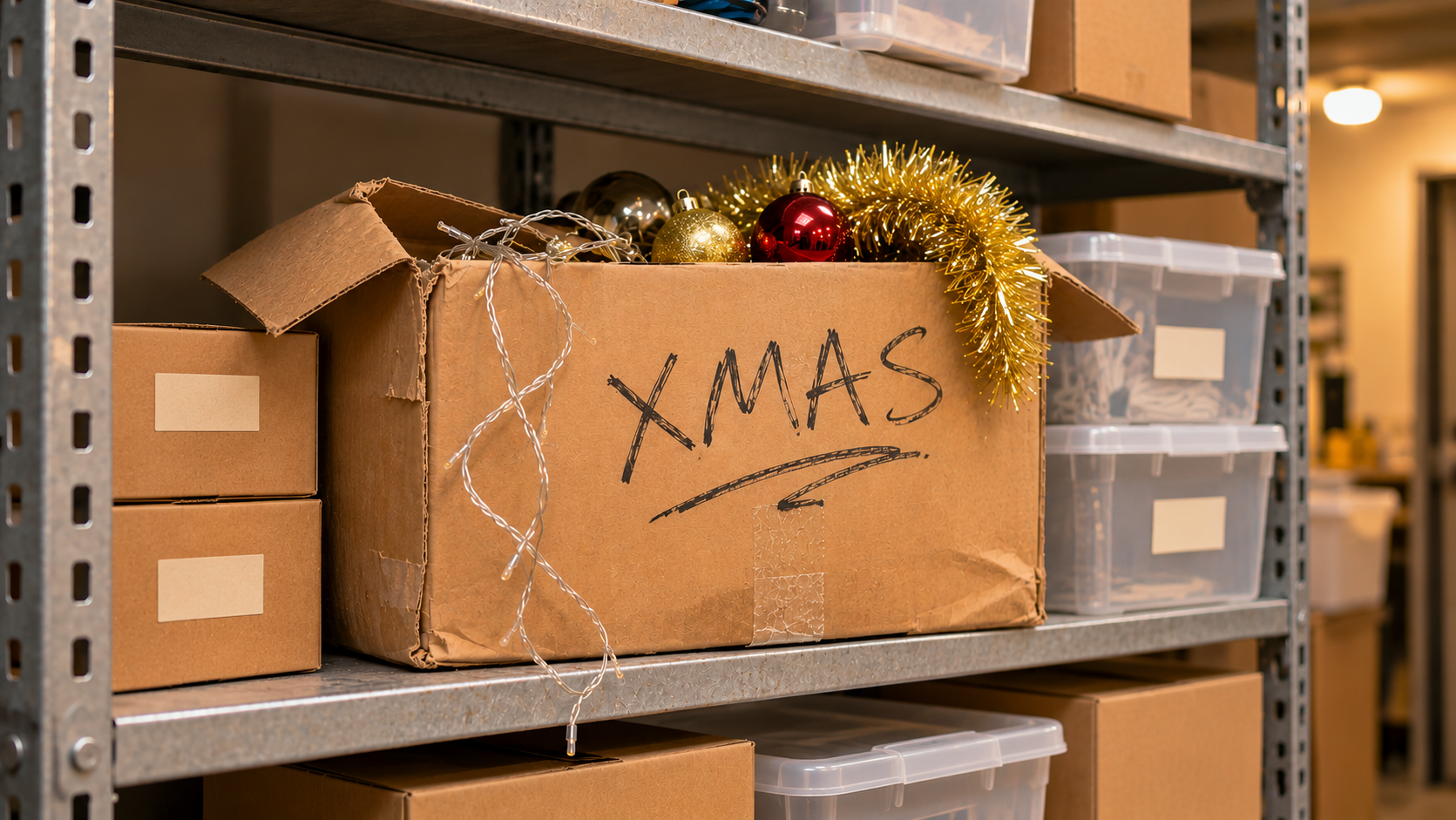
Don't overlook the lifting, either. Christmas trees, boxed displays and decorations stored above shoulder height can be heavy and awkward. Clear a route through the storeroom, use a trolley for heavy items and get help moving bulky displays.
An Australian Christmas adds another risk: Heat
Putting up decorations in Australia often means working in summer heat, especially in beer gardens, courtyards and rooftop venues.
Hot surfaces, sweaty hands and dehydration can make handling equipment more difficult. Heat can also affect concentration and balance, which becomes particularly concerning when someone is working at height.
Then there's the timing. Decorations are often installed after closing, when staff have already spent hours on their feet.
Schedule outdoor work for cooler parts of the day, provide water and breaks, and allow enough time to finish without rushing. Check the forecast, including heatwave warnings, and reassess outdoor work when conditions deteriorate.
A short decorating job isn't automatically a safe one.
Fire safety: The tree can't always go where it looks best
The ideal spot for a Christmas tree might be beside the entrance, near the bar or in a prominent position in the dining room.
But a display that looks good doesn't necessarily work when the venue is full. It could obstruct an emergency exit, narrow a busy walkway or sit too close to heat-producing equipment.
Keep decorations clear of emergency exits, exit signs, fire extinguishers and other fire safety equipment. Don't allow large displays to narrow important access routes.
Check that decorations are suitable for their location and keep them away from heaters, cooking equipment, candles and other heat sources.
Real Christmas trees need particular attention in Australian summer conditions. As they dry out, they become more combustible. Keep them watered and away from heat sources, or choose a suitable artificial alternative.
LED candles are also a safer option than open flames for many table displays.
Guests will touch everything
A display that's safe at 10 am on a Monday can look very different at 10 pm on a Friday.
Patrons brush past decorations, move furniture, lean on Christmas trees and occasionally pull on things they shouldn't. Children are naturally curious about anything colourful, shiny or within reach.
Plan for how guests will actually behave around the decorations.
Secure trees and freestanding displays. Large trees, decorative signs and other installations need to be stable enough to withstand accidental contact. Pay particular attention to displays near bars, entrances and busy dining areas.
Check what's overhead. Hanging ornaments, garlands and festoon lights must be securely installed so they can't fall or be pulled down.
Think about children. In family-friendly pubs, clubs and restaurants, avoid placing glass ornaments, small detachable decorations or accessible electrical connections at child height.
Watch for damage during service. Broken baubles, displaced displays and loose fittings can quickly become hazards. Include decorations in routine venue checks, particularly after busy services or strong winds.
Give floor staff the authority to isolate or remove a decoration that's become unsafe. They shouldn't need to wait for a manager to deal with an obvious hazard.
Pack-down: Same risks, more tired people
By January, everyone wants the decorations gone and the venue back to normal.
Taking everything down can become a rushed job, often handled by a small team after a late close.
But the same hazards return: working at height, handling electrical equipment, lifting heavy objects and carrying boxes through the venue.
Plan the removal just as carefully as the installation.
Disconnect electrical equipment safely, use appropriate access equipment and allow enough time to do the job properly.
Inspect lights and decorations before packing them away. Remove damaged items from use, store heavy boxes where they can be retrieved safely and record anything that caused a problem.
Next November's decorating job will be easier if the equipment is organised and the lessons from this year haven't been forgotten.
Christmas decoration safety checklist
Before the decorations go up, check:
☐ The venue has been walked through and potential hazards identified.
☐ Staff have suitable equipment and know how to use it.
☐ Nobody is using chairs, stools, tables or kegs to reach decorations.
☐ Heavy trees and displays can be moved safely.
☐ Outdoor work has been planned around heat and weather conditions.
☐ Lights, leads and power boards have been inspected.
☐ Electrical equipment is suitable for its location.
☐ Trees, hanging decorations and freestanding displays are secure.
☐ Walkways, emergency exits and fire safety equipment remain clear.
☐ Decorations are positioned away from heat sources.
☐ Displays are checked throughout the festive period.
☐ Floor staff know they can isolate or remove unsafe decorations.
☐ Safe removal and storage have been planned for January.
A little planning goes a long way
Christmas decorations help create the atmosphere guests expect during the festive season. They're part of what makes a pub, restaurant, club or hotel feel welcoming at Christmas.
But because decorating is familiar and temporary, it's easy to overlook the hazards.
A short walk-through, the right equipment and a few regular checks can help protect the people putting decorations up, the guests enjoying them and the staff taking everything down in January.
Allara Global offers online work health and safety training for hospitality teams, helping employees recognise workplace hazards and understand safe work practices.